Addressing Sensitive and Controversial issues in the Teaching of Migration
Planning and Preparation: Teachers face undoubted challenges in the teaching of migration given the polarised nature of debate today and the rise of misinformation on social media and elsewhere today. A whole school approach and mentoring from other staff can provide support for the individual teacher. A knowledge of the lives of students, both inside and outside the classroom, helps teachers make sound judgements about how to introduce sensitive content, taking account of the sensitivities of students who are newly-arrived in the UK or who have personal experiences of migration. Teachers also need to anticipate prejudices and misinformation that might emerge. It can be important to have a few facts at your fingertips that counter common misconceptions - see Statistics on Migration under Related Resources and KS3 & 4 Voices Past and Present, Handout E and KS4 & 5 Ugwumpiti Handout D.
Creating a safe space: Key is the creation of a safe space through the establishment of ground rules with, and for, the class i.e. one person speaks at a time; students show respect and use appropriate language; assertions should be backed by evidence and ideas not people should be challenged. The teacher should prepare students at the beginning of the lesson for the issues they are going to cover, pronounce students' names correctly, recognise and validate students' experiences, affirm students' emotions, make no assumptions, respect students who might wish to remain silent and recognise if they are distressed.
As the Oxfam guidance notes, when classrooms become safe spaces for genuine dialogue, "young people can test out their views in an open forum for critical, in depth and respectful discussion." OXFAM (2018), Teaching Controversial Issues: A guide for teachers, viewed 6 April 2026
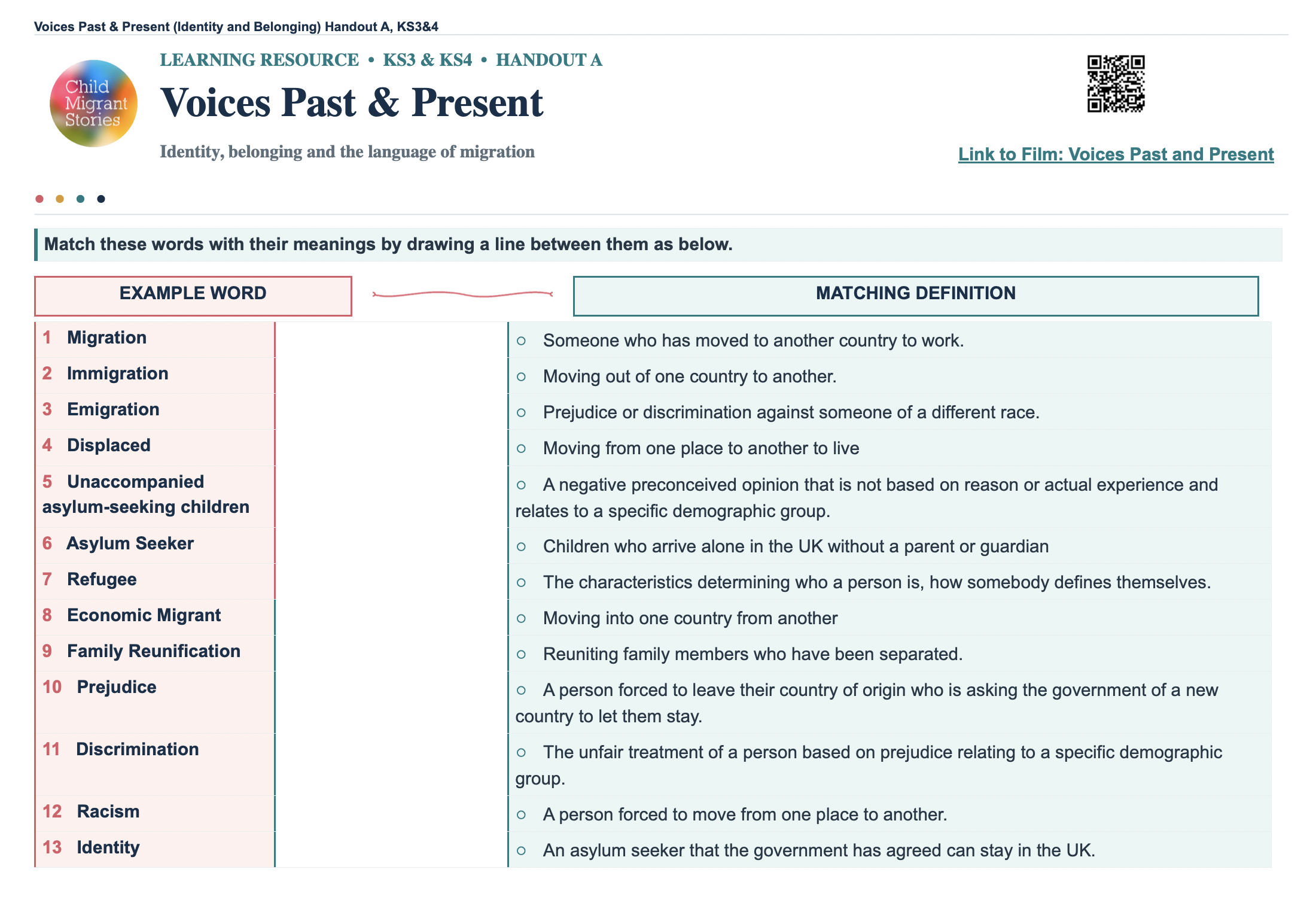
Use of terminology: Introducing and consistently using accurate terminology is important, as the media frequently conflate terms in misleading ways e.g. describing asylum seekers as 'illegal' migrants. Inappropriate use of language, slurs or stereotypes need to be challenged butthese can also be used for learning opportunities on why such terms can be harmful, ensuring the student who voiced the inappropriate language doesn’t feel isolated or attacked. It can be useful to explore how prejudices and stereotypes develop and to encourage students to reflect on experiences where they were singled out or treated unfairly.
Several activities both at primary and secondary level build on students' expertise in the use of appropriate terminology.
Age-appropriateness: The films include painful and sometimes distressing real life experiences e.g. of family separation, war and racism but these are interweaved with stories of resilience, everyday childhood experiences with which young people can relate and instances of humour. They have been screened successfully in schools, museums and other settings to children aged six and upwards with no apparent adverse reaction.
We have however included trigger warnings where the teacher, depending on the age and background of the pupils, may wish to select from, or adapt, the material. All learning resources are labelled from KS2, KS3, KS4 and/or KS5.
Resources for younger children explore the emotional and relational dimensions of migration alongside the reasons for, and experiences of, migration. Those for older children focus more on critical thinking and analysis. Active, participatory, pair and group learning approaches are encouraged throughout. Role play and creative expression through writing, music and art,, inspired by child migrants lived experiences, allow students to inhabit different perspectives.
Respecting child migrants within the classroom: Teachers should be alert to the sensitivities of students with a personal experience of migration, including those newly arrived, and take steps to support them. They should never ask pupils to explain where they are 'really from', or to assume a child from a migrant background wants to speak about their experience or on behalf of others. Two pupils with 'similar' backgrounds of migration may have little in common beyond people's assumptions. In certain circumstances, teachers may need to offer opt-out or alternative routes and be prepared to follow up through safeguarding or pastoral support.
At the same time, children from migrant backgrounds should not be made to feel invisible or that their history is unacknowledged. If a student wishes, or is prepared, to share their experience of migration then this can significantly enrich the learning although it may be appropriate to talk to them individually in order to give them agency over how they wish to contribute.
One inclusive approach is to draw on children's experience of internal migration from another part of the UK, from a rural to an urban setting. Also issues of identity, belonging and racism featured in these films and resources are not confined to first generation migrants.
Balance and objectivity: The Department for Education's Political Impartiality in Schools guidance (2022) clarifies that while no subject should be off limits, schools must teach in a non-biased way. Importantly, this guidance also requires schools to actively promote respect and tolerance and that teachers should not present dangerous and discriminatory views unchallenged. Schools also have additional duties under the Equality Act 2010 and the Prevent Strategy.
Whilst not supressing debate, the activities suggested by Child Migrant Stories are carefully designed to limit unfocussed discussion and to encourage critical and analytic skills particularly of older students to counter misinformation in the press, on social media and elsewhere. They are also designed to enhance their broader understanding of our moral, ethical and legal responsibilities e.g. under UN Convention on the Rights of the Child and The1951 Refugee Convention.
Teachers who consider it beneficial to open up the debate may find it useful to adopt one of several approaches depending on the activity and the classroom context i.e. Impartial Chairperson ensuring all views are heard not disclosing their own views; Objective/Academic providing students with a range of alternative viewpoints without declaring their own; Devil’s Advocate adopting an opposing stance irrespective of their own views; Committed where teachers share their views up front for students to challenge; Declared Interest where teachers declare their own views and then presents other positions as objectively as possible or as an Advocate, the teacher presenting all viewpoints then concludes by stating their own.
Evidence confirms that didactic approaches are least effective when it comes to sensitive or controversial subjects. Telling young people what to think, or how to behave is likely at best to have no effect, and at worst to close their minds to alternative views.
The UK Government's Political Impartiality guidance supports this flexibility, noting that "schools are free to include a full range of issues, ideas, and appropriate materials including where they are challenging and controversial". Department for Education (last updated 2025), Guidance Political Impartiality in Schools, viewed 6 April 2026.
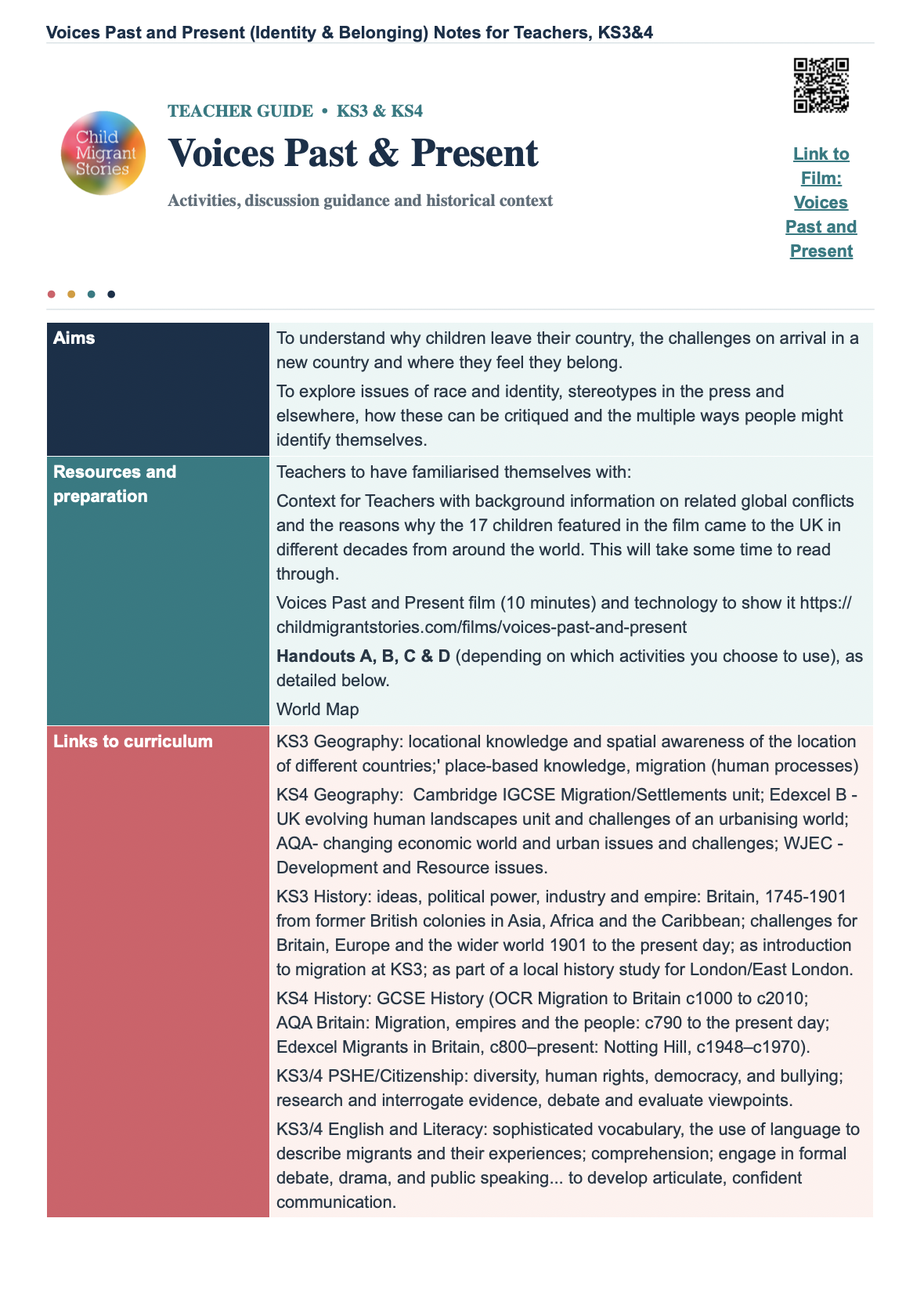
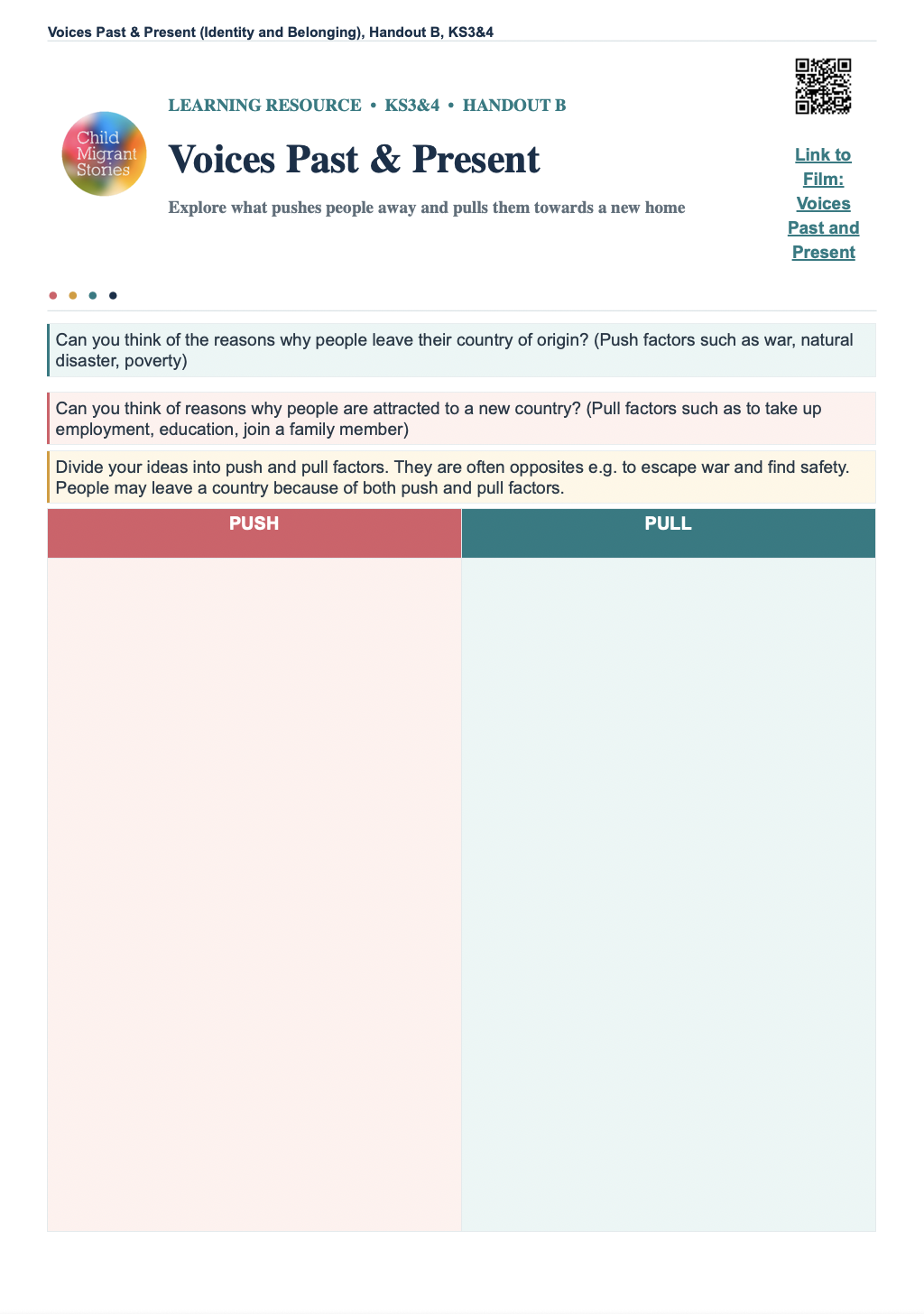
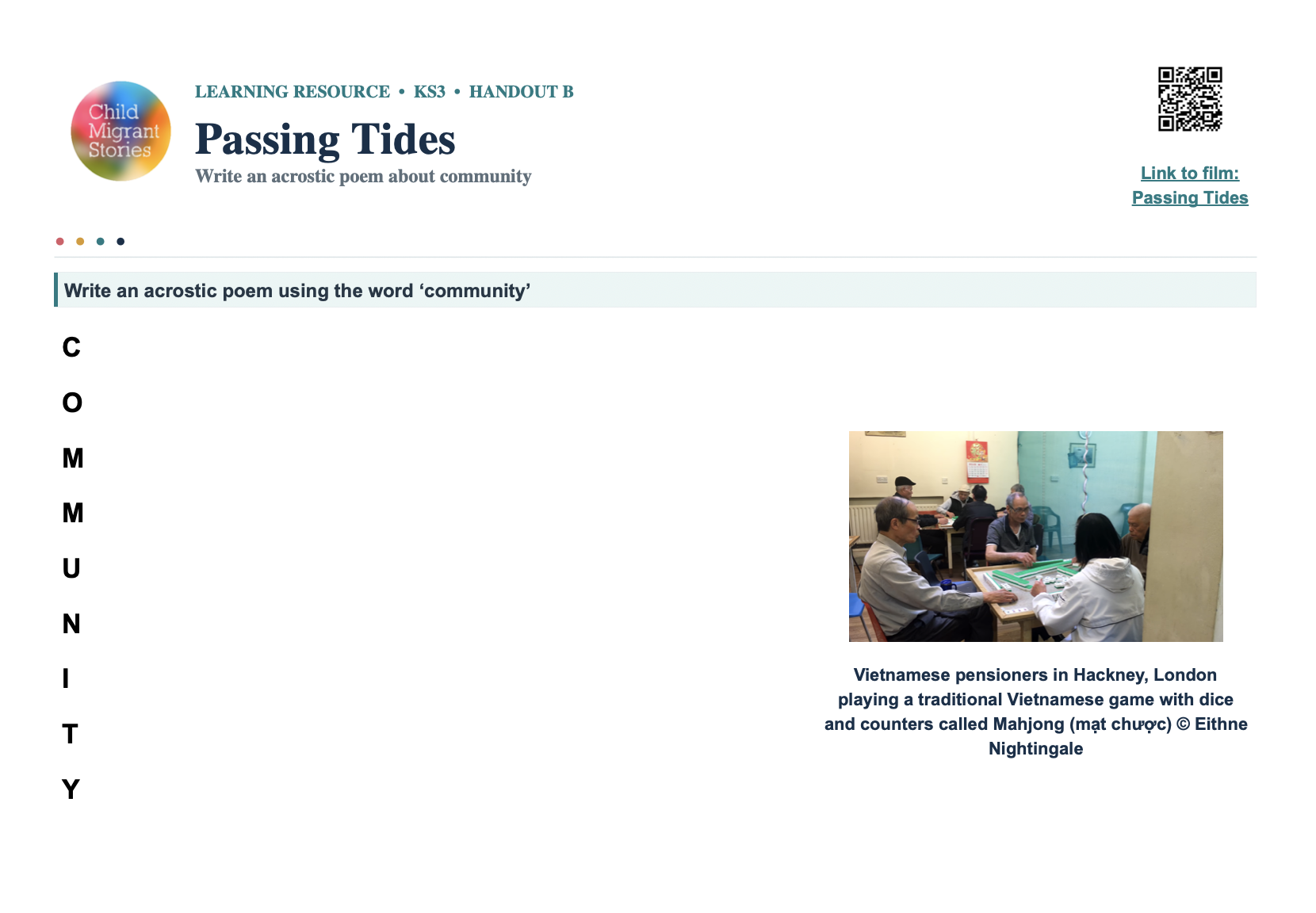
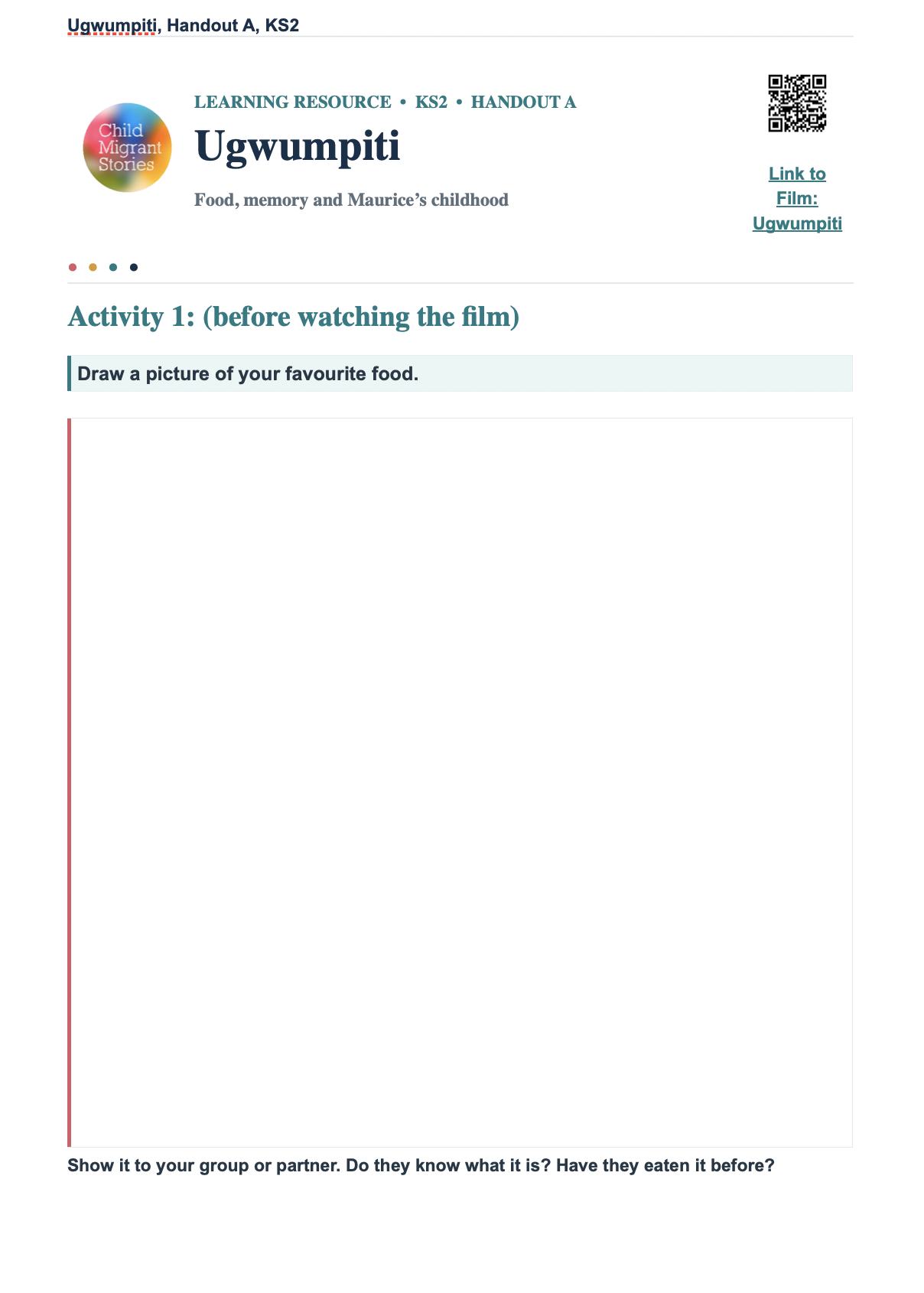
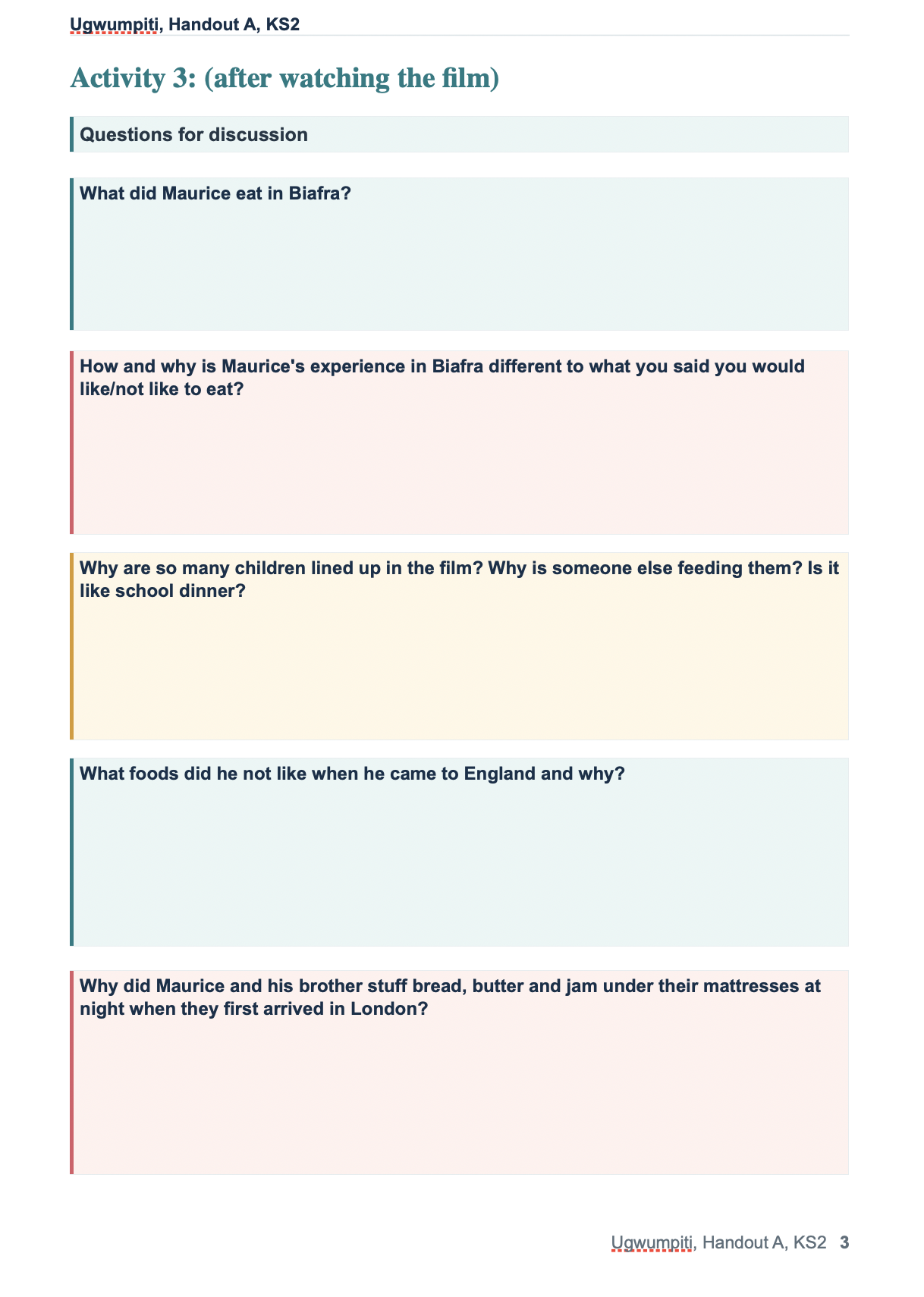
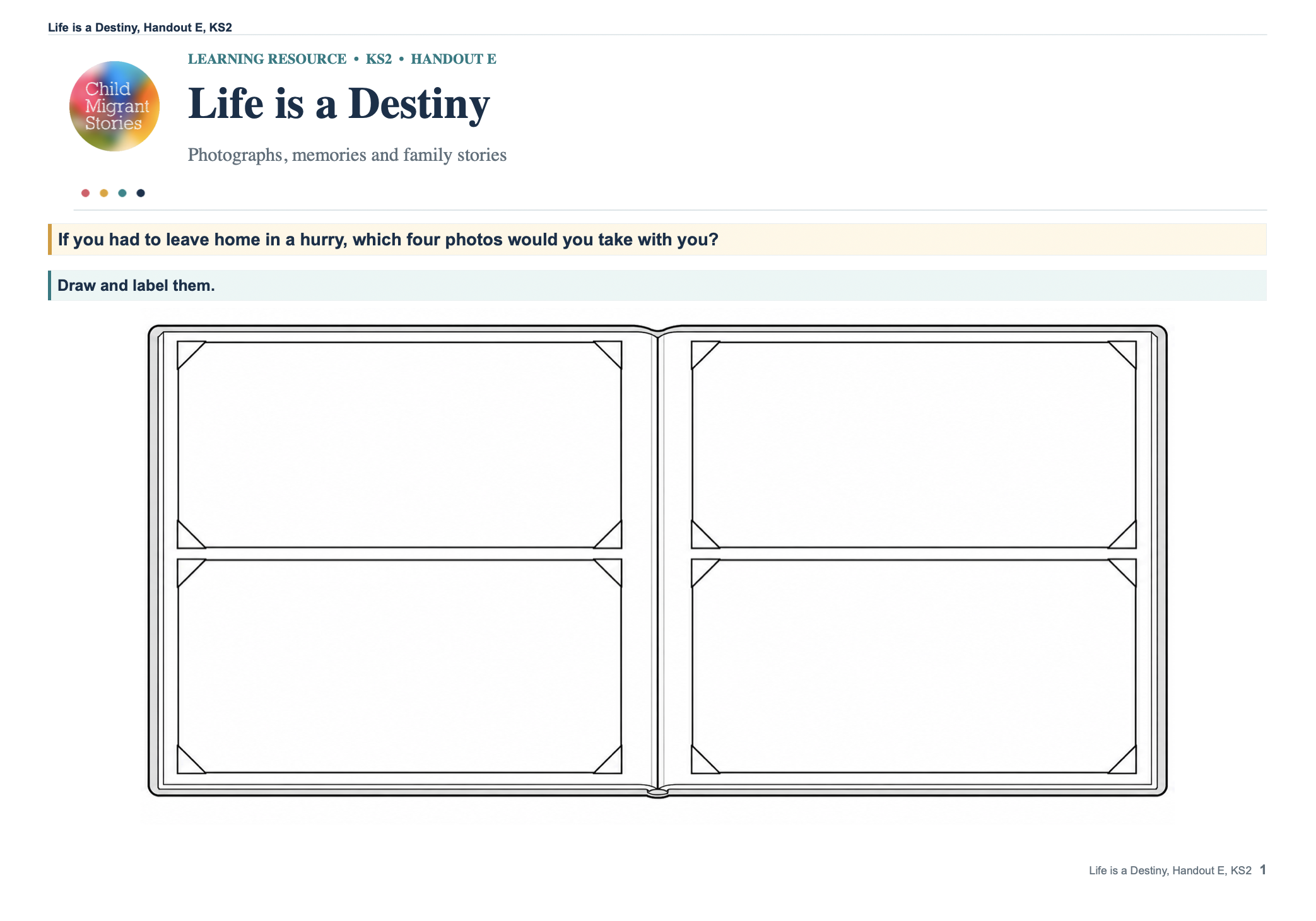
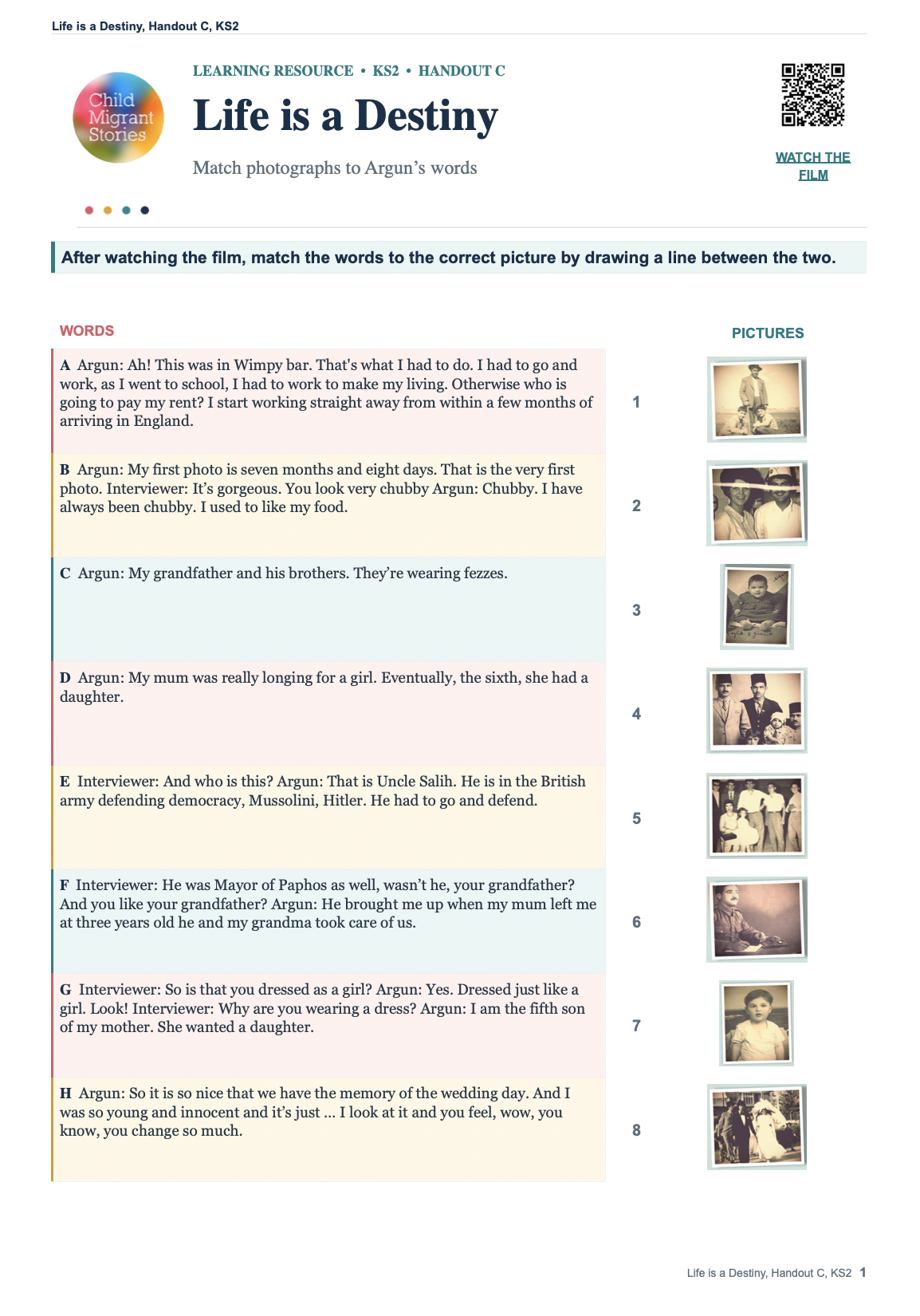
Explore the gallery below to see a preview of some of the resources and teacher notes: