

Saqib Waqar

At the age of 12, Saqib Waqar, born in Pakistan in 1994, was brought to east London with his grandparents to live with his aunt and uncle.

Saqib was born in a friendly but poor part of Lahore near Shalimar Gardens. He lived with his grandparents, parents and siblings in a modest house that was prone to flooding. His father worked for the government and over time was able to improve the house. Many of his relatives lived in the same street.

Saqib used to play in the local neighbourhood with the sheep and goats. Cricket was his favourite sport. The mosque was just two minutes away and his cousin, a qualified imam, taught him the Quran every morning. His happiest memories are of his mum calling after him to come home to eat. He loved his mum’s cooking.

Saqib came to London with his grandparents. He lived with them, his aunt and uncle in Whitechapel. At first, he missed his mum but soon thought of his aunt and uncle as his new parents. He thought London was a different world – so much more organised than Lahore. He went to Bethnal Green Technology College where he got bullied for being the only Pakistani in a mainly Bengali school and got into fights. If he had not sorted himself out, he would have had to leave. He loved sport and art and went to the local adventure playground where he enjoyed football, biking and canoeing. He went onto John Cass Sixth Form where he did well in business and finance. He loved this even more than school and had a close-knit group of friends from different backgrounds – Sikh, Nigerian and Bengali who introduced him to different festivals such as Diwali.

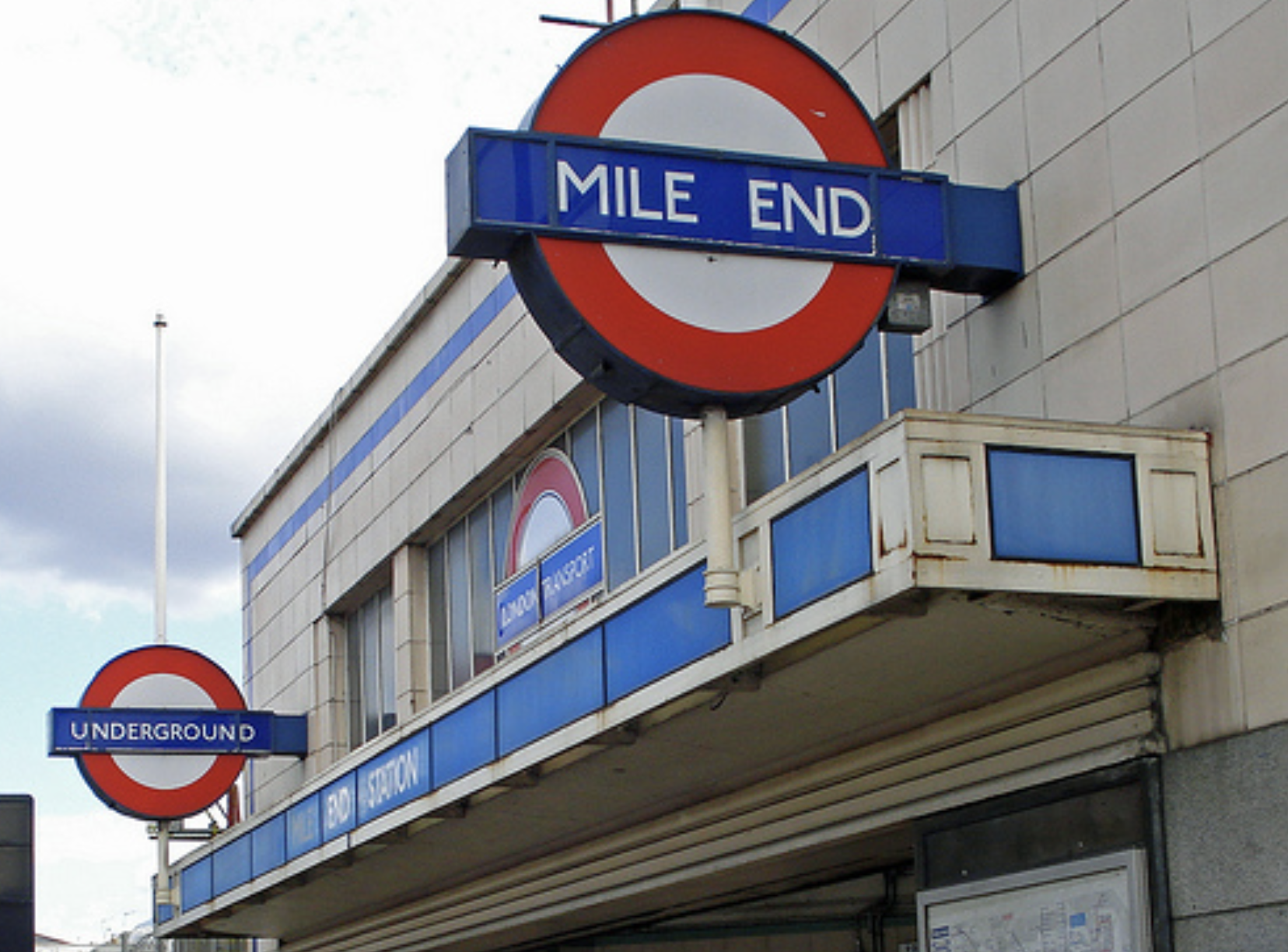
Aged 21 he married a young woman of Bangladeshi origin from Bradford whom he met through a friend. At the time of interview in 2014 he worked as a hairdresser in Mile End, a skill he learnt on the job after school as something to keep him out of trouble.

He has no wish to return to Pakistan.

“I wouldn’t know what to do back home. Here I know what I want to do, where I need to go and how to do it, so I’m better off here than there."

Read more about Saqib's life drawn from his interview in 2014:

It's a New Life 
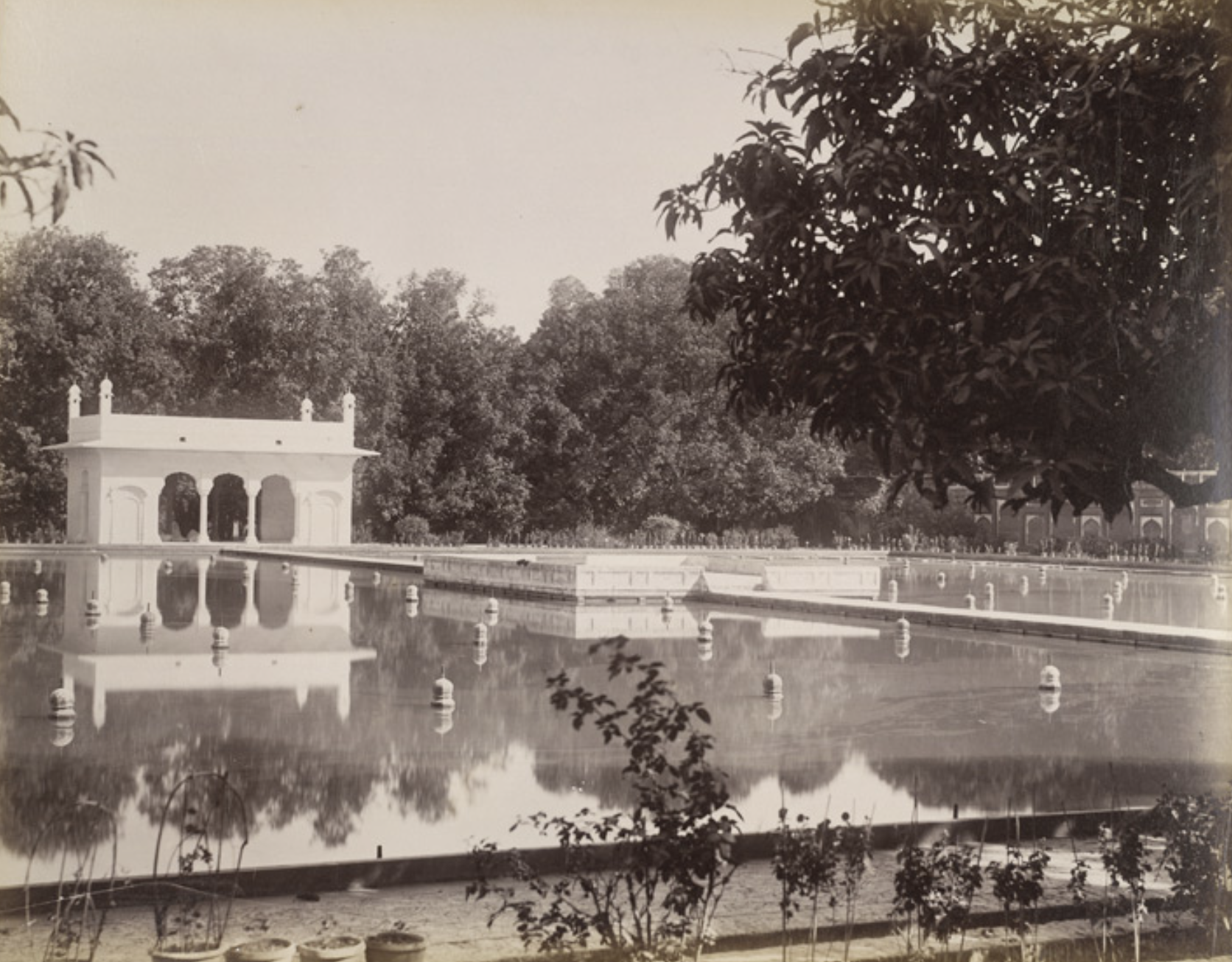
Shalimar Gardens in 1895

I was born in Pakistan, Lahore, on the 2 August 1994. I didn’t live far from Shalimar Garden, a pretty famous place.
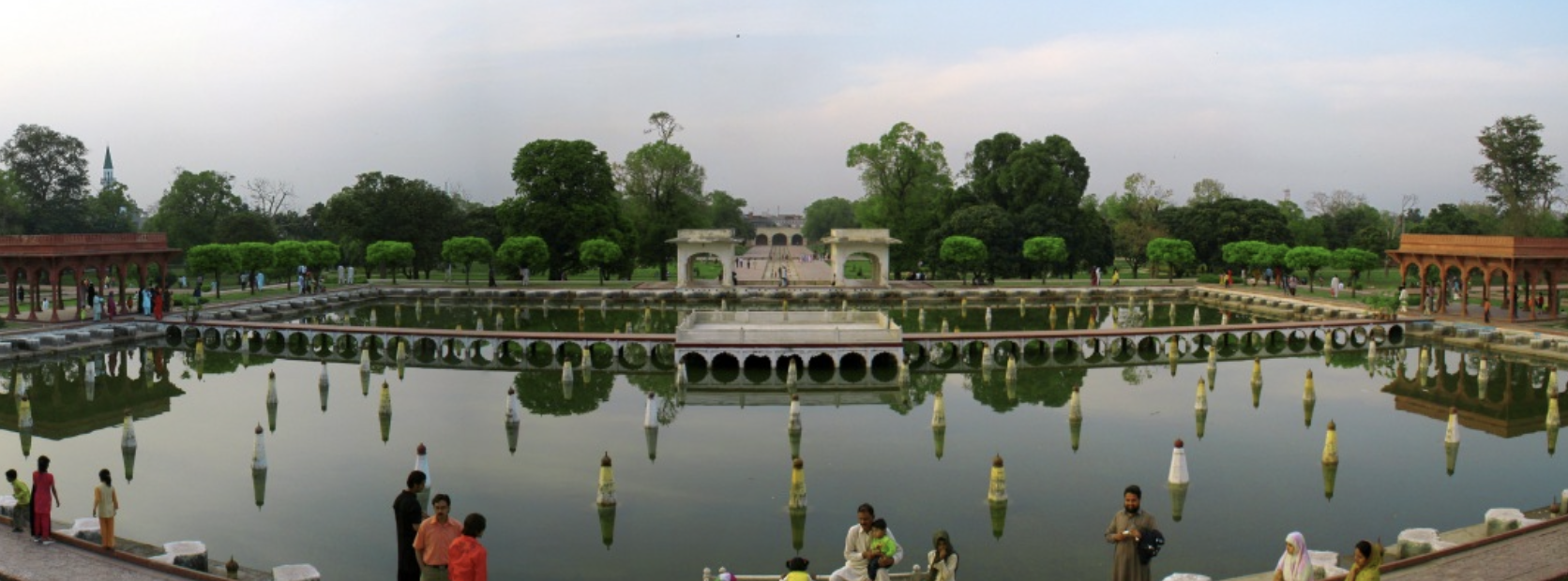
Shalimar Gardens 2014, by Meemjee

I don’t have a rich background. The house was pretty much made out of mud and [laughs] you used to get things coming off it. When it used to rain it went all gooey. Then slowly, slowly my dad collected a bit of money, and we built a little bit of a proper house. But my dad wasn’t earning much, so it took a long time.

It was my mum, dad, grandparents, uncles in the same street. We used to have family all around us. My dad had some government job. My mum was a housewife. My mum cooked basic chicken curry, lamb curry, vegetables. As long as it’s cooked by my mum, it’s good. I’ve got a brother and a younger sister. I’m the middle one.

I used to play cricket and they used to have lots of goats and sheep. There always something to do. I used to get in trouble a lot of the time. Mum used to call me, “Come and have your lunch,” but I’m running around, playing with my friends. [Laughs]

Dad used to take us out. There used to be some ice cream parlour to go to. I used to have a little bike and we’d just go out exploring. All good memories.

I did go to school when I was young. I was three, four years old probably. Eid, we used to love. The main thing you look forward to is your uncles and your aunties giving you money. Basically, you buy sweets, chocolates. There used to be rides like in a little banana boat. It wasn’t a proper fairground. It used to come once or twice a year, like the way it comes here.

My cousin, he’s a qualified imam. So, every morning we used to go to his house. He used to teach us how to read Qur’an, how to pray in the mosque. From the roof we could see the mosque literally two-minutes-walk.
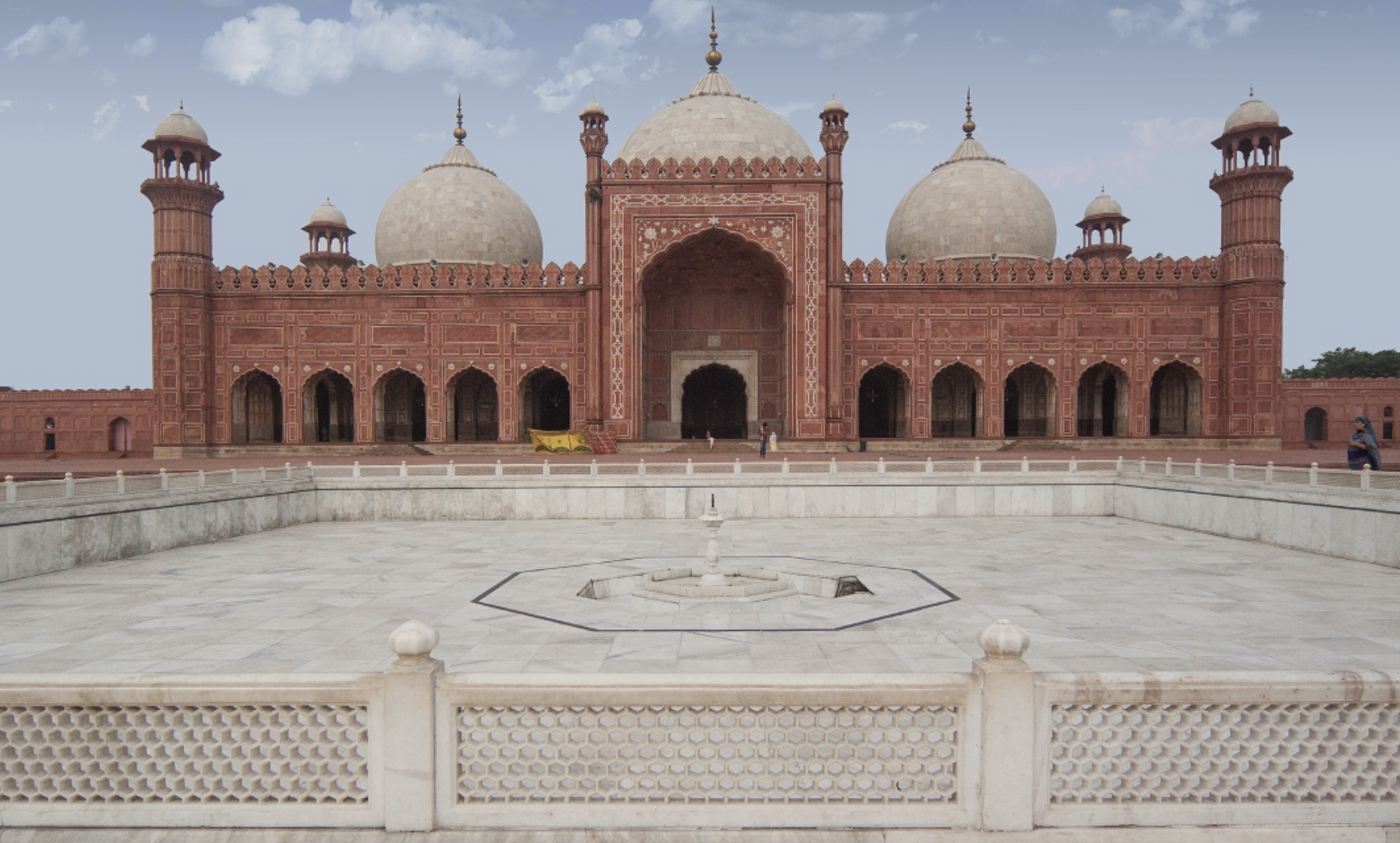
 Badshahi Masjid, the Royal Mosque in Lahore, Pakistan 2015 by Zaki Imtiaz
Yeah, it was a big mosque. I was a little kid and you mostly pray at home. Your parents don’t want you to go by yourself. I used to muck about, so my mum was extra curious. [Laughs] I used to tell her I’m going mosque, but I used to go somewhere else.

I came with my grandparents. They used to come and go because my uncle lives here. My parents are still there. I made sure that I sit by the window, seeing the world with the bird eye view.

When I landed, I thought wow [laughs] this is completely different. It’s another world. There everything is all over the place, here everything is organised. And you don’t hear people shouting and screaming. There people are beeping horns all day long.

At the start, leaving your mum, did hurt, but after a few days you get used to it. I used to live in Whitechapel. From Whitechapel, Roman Road.

I used to live with my uncle, his missus and he got two kids. To be honest they looked after me, brought me up. They were my parents and they fed me, everything. So, I did miss my parents but I kind of had my parents here. I went to school in Bethnal Green, Bethnal Green Technology College. I had a pretty bad experience at the start because my English wasn’t really good. I was close to my head assistant. She used to know that my problem is that I’m Pakistani and they’re Bengali and then sometimes they bully me. She used to tell me, “Just walk off from here.” Slowly, slowly, I got better. I think the hardest was in Year 9. I was going to get kicked out of school. Messing around, fighting. [Laughs]. So, I had to sort myself out.

I used to love PE and Art – abstract, spray painting and that. You can relax, do the work and it was pretty chilled out. I joined Bow Adventure Places after school for biking, canoeing, shooting and they take you to residentials. It was wicked.

In 2010 I went to John Cass Sixth Form. I studied Level 3 Business and Finance. That was even a better experience than school. My teacher was pretty laid back. She used to know that at the end of the day we’re going to give her the work. I had distinctions in Level 3. I would go back any day.

My friend he’s Sikh, he’s Indian. Another friend of mine he’s from Nigeria, and another friend was from Bangladesh. I’ve been to a few Sikh festivals. We’re all different and we’re all pretty close. I think we had a similar personality. I met them all in college.

Obviously, your education is important. But it’s basically your friends because from 16 to 18, you’re becoming an adult, so you want your friends around you. We used to mess around with girls quite a lot [laughs]. It’s that age. I used to know a few girls in college and then Facebook and social networking and all that.

But I got married now. I’m 21. I met her through a friend of mine. I was with her for about three and a half years, and then I got married. She was working in Bradford, in a community centre. She’s Bengali so it was pretty hard to convince her family, but we’ve got kind of got around it.

It wasn’t a really big wedding because I didn’t have much money. I’ve done the Islamic ceremony in the East London Mosque. We had all the family, all the house and that. I haven’t done the English ceremony, so need to sort something out, do a big little party and invite a few of my friends. It’s a new life definitely. It should be pretty good.

After school I started learning how to cut hair rather than being on the street. I would love to open my business one day. A lot of people around me speak Urdu, even Bengali people, they speak Urdu as well.

What I like about east London is people blend in quick. Here I see people coming from all over the world. Today I saw a Spanish guy. He’s only been here for a month. He was telling me about his culture, and I was telling him about my culture.

I rent a property in Roman Road. I’ve always lived in a flat. It’s too expensive to live in houses. I go to the mosque on a Friday in British Street, Merchant Street, just right by the station. When you come into east London you feel home. Everybody knows you so if you ever need help you can call somebody up.

I ain’t got much contact back home now. At the start I used to, but not much now. What you miss from back home is the weather, the food. But other than that, I would prefer UK. I wouldn’t know what to do back home. Here I know what I want to do, where I need to go and how to do it, so I’m better off. I never thought I would spend the rest of my life here.

It is difficult to blend in, really difficult, especially the language barrier. It takes time, but once you get there, people around will support you.

Previous
Previous

Ligia Lima - 2001

Next
Next

Sadeka Nujhat - 2011